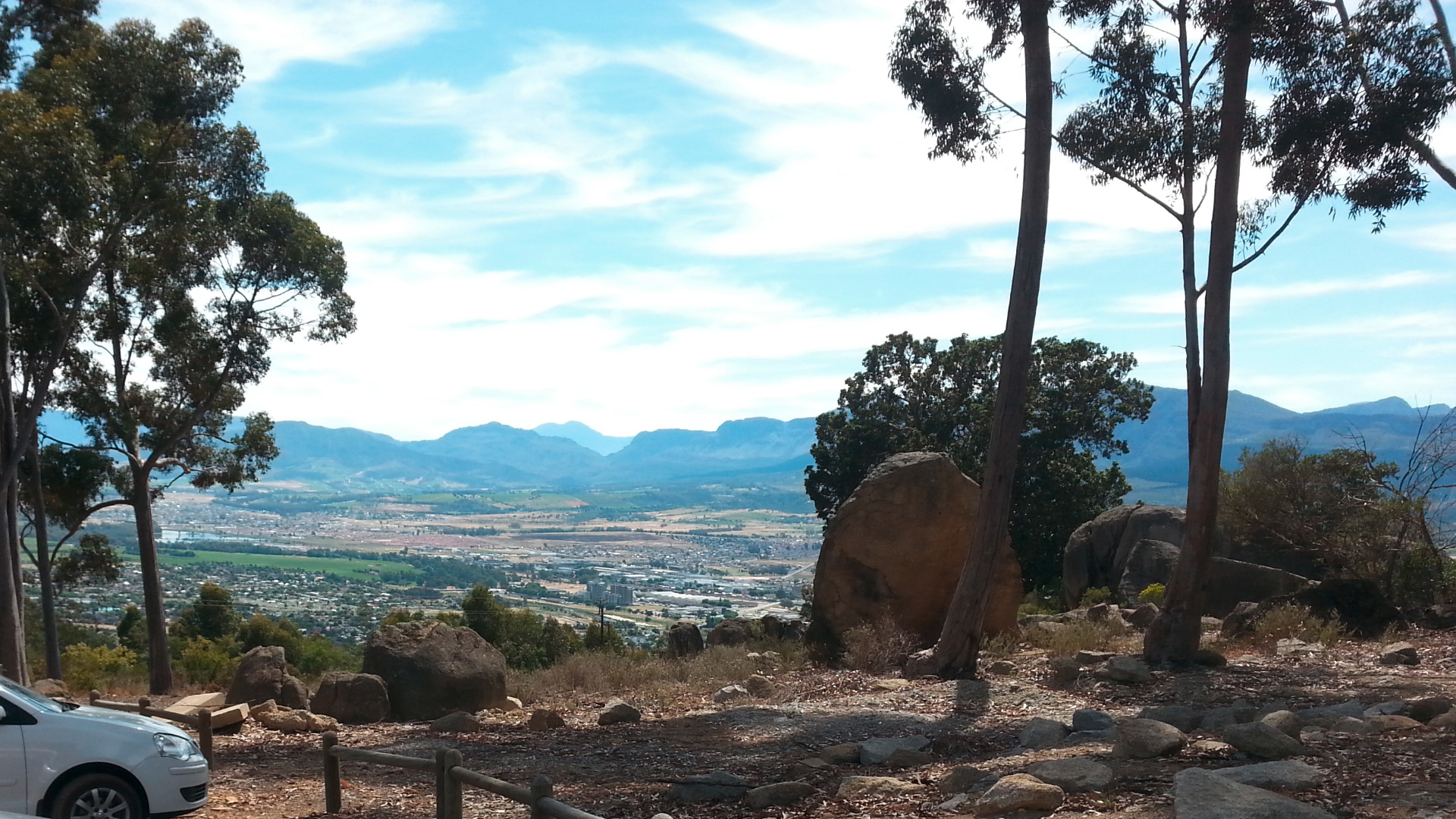
The Drakenstein Meulwater Water Treatment Works project in South Africa is initiated to establish a reliable collection and storage of water to form a stable water supply to Drakenstein municipality all year round, regardless of the amount of rain that may fall.
The initiative was launched on both environmental and financial grounds. Reducing leakage from the existing supply system was a key priority. At the same time, quality variations in the water from the dams created challenges for the municipality, especially as national water standards in South Africa became more stringent. As a result, Drakenstein increasingly depended on treated water purchased from Cape Town.
Monitoring, a way to reduce leakages
In an ecosystem as sensitive as a national park, any water supply infrastructure requires careful supervision. Continuous monitoring became essential, not only to protect the water resource but also to pinpoint losses in the distribution network. A SCADA system was therefore installed to oversee the operative conditions at the water plant and the pipelines. Through this monitoring, leak sources were identified and addressed, lowering distribution losses to 13%, significantly below the national average of 37%. This reduction also strengthened the municipality’s financial position, as less water was lost before reaching end‑users. Due to the high altitude of the supply area, customers had previously faced challenges in receiving consistent pressure; the improved system alleviated these issues.
A new water treatment plant for safe water supply
Work began in 2001 with a study focusing on the municipality’s need for its own dependable water source. The assessment recommended that a new water treatment plant be established at the Paarl Mountain dams, where much of the existing distribution network already existed. The conclusions confirmed that the municipality could run a treatment plant at a competitive cost compared to purchasing processed water from Cape Town. In designing the new facility, quality and reliability were central priorities, and AVK products were selected to play a vital role in the final solution.
Consideration for the nature
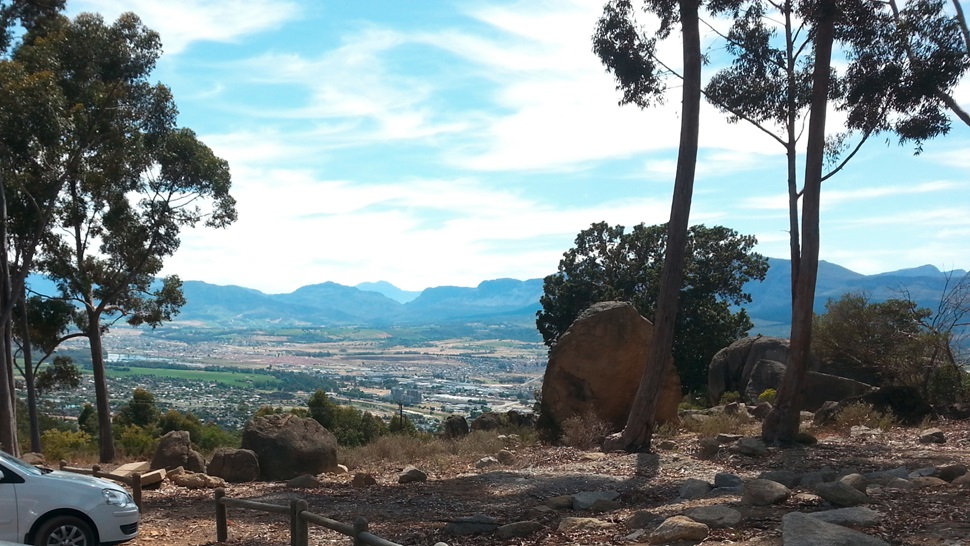
Placing the treatment plant within a national park required special attention to environmental impact. Construction involved cutting into approximately 1500 tons of granite to make space for the facility, though the building itself would remain below the natural landscape. The plant uses a traditional combination of sedimentation, sand filtration and the addition of chalk to adjust water properties, ensuring both high-quality drinking water and a stable supply.
Building new dams in Paarl Mountain Nature Reserve
The catchment area inside the Paarl Mountain Nature Reserve has long been essential for supplying water to the Drakenstein region, and its role only grew as the municipality sought a more dependable system. To strengthen this foundation, several new dams were established across the reserve. These storage basins help capture rainfall from the upper slopes, ensuring that surface water from the early winter rains can be collected rather than lost to runoff.
Because the mountains rise steeply from the valley floor, the new dams offer valuable water storage close to where it can be channeled directly to the Meulwater Water Treatment Works. Two of the key structures, the Nantes and Bethel dams, were specifically designed to increase overall capacity so that the municipality could secure a stable supply throughout the year, independent of seasonal variations.