Managing non-revenue water (NRW)
With high levels of non-revenue water in many parts of the world, vital resources are wasted every second. It is a global challenge, and it is detrimental to both the economics of water utilities and to the environment when water is lost, and even more water needs to be produced and distributed.
Access to clean water is in many places taken for granted, just like the fresh air we breathe. We forget that clean water is a product, and that producing water is a comprehensive, detailed process. And resources are scarce. Water scarcity is a global issue caused by many different factors such as climate changes, population density and water management practices, and is thus particularly critical in some areas. When the distribution management is then inadequate at the same time, we are faced with a more invisible, yet crucial problem: water loss, also referred to as non-revenue water, or NRW.
What is non-revenue water?
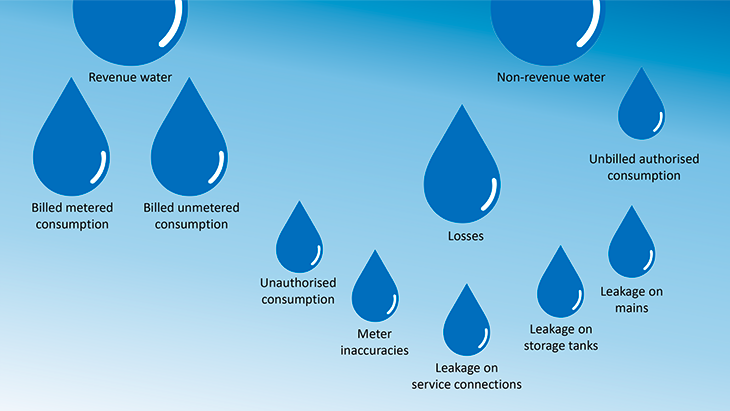
Non-revenue water (NRW) is basically produced, cleaned water which is lost somewhere in the water distribution system, never reaching the consumers. This is a waste of precious water resources, and water that is produced and lost without generating any revenue has negative financial as well as environmental impact. The production costs and the energy used to produce and distribute the water are wasted. And when a significant amount of water is lost, it means that more water needs to be produced and once again be distributed.
Non-revenue water is a global challenge
The problem is universal, ranging from NRW levels of about 5 % to as much as 80 % in certain areas.
Global water loss has been estimated to 126 billion cubic metres per year, equivalent to the cost of $39 billion each year. Could these water losses be reduced by only one-third, the savings would be enough to supply 800 million people (Liemberger & Wyatt, 2018).
What are the causes of non-revenue water?
The causes of water losses are many, ranging from leakages, pipe bursts, and poor water management to illegal connections and unauthorised consumption.
Leakages and pipe bursts
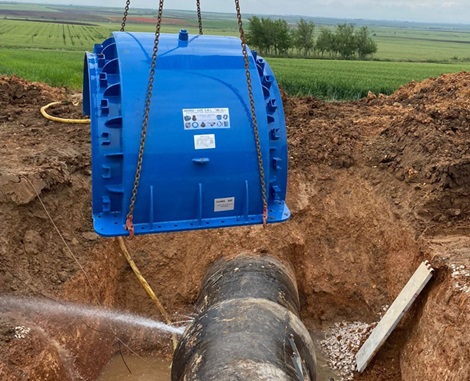
Leakages cause water loss from the pipe network and occur, among other things, at pipe bursts. This means that cleaned water is lost and never reaches the consumers. Water loss due to leakages is a waste of resources and affects both the performance of the utilities and the consumers by possible nuisances. Leakages and pipe bursts can occur suddenly or gradually develop over time due to lack of maintenance, corrosion or wear and tear.
Inadequate water management
In many parts of the world, inadequate management of water resources contributes to water loss. This may, for example, be lack of maintenance of the supply network resulting in leakages and pipe bursts, or lack of customer meters, so that the utilities cannot bill the consumers based on actual consumption.
Unauthorised consumption
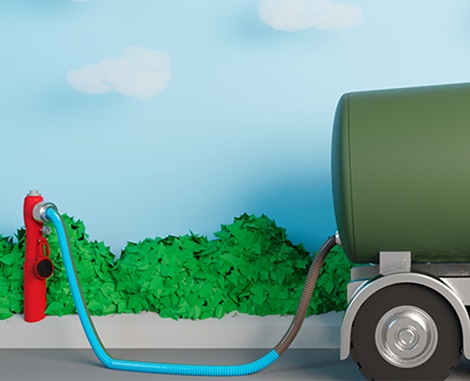
Theft of water or filling of a vacuum tanker from a random fire hydrant not assigned for the purpose are examples of unauthorised consumption that increases the amount of non-revenue water.
Dividing the network into district metering areas
Operating a water distribution network is no easy task. A network often covers an extensive area and a complex, hidden system of pipes, making it difficult to detect changes, damages or illegal connections.
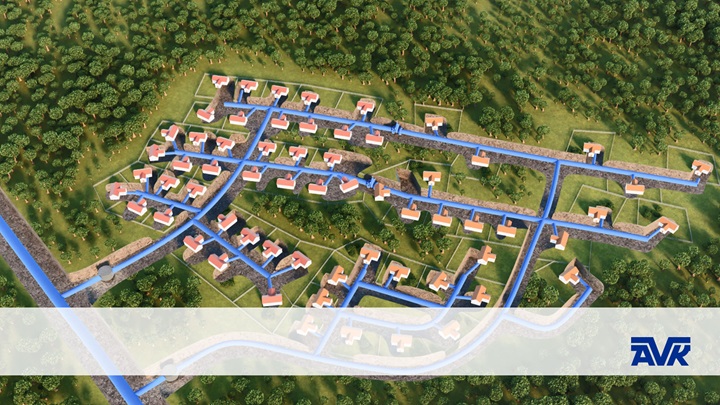
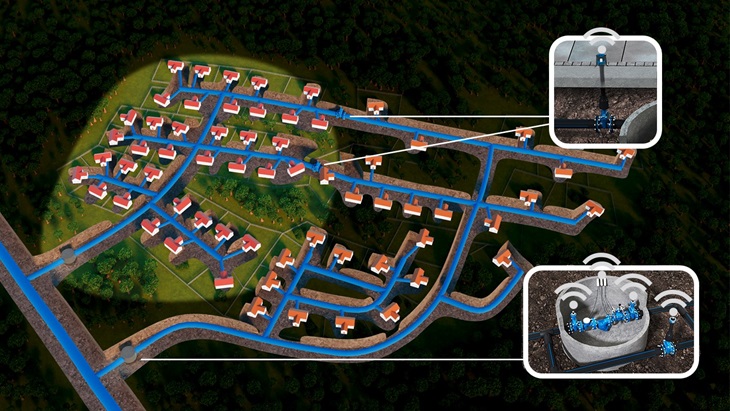
Dividing the supply network into smaller sections – district metering areas (DMA) – is a more efficient technique for NRW management. DMAs provide the ability to measure water balance and to secure low pressure for each section separately. Operators are then able to better plan and prioritise their efforts, and this way, dividing your network into DMAs can optimise the efficiency of the entire network and result in considerable operating and maintenance cost savings as well as reduced water loss.
AVK solutions for optimising DMAs and reducing non-revenue water
Regulating valves and pressure management
Regulating valves allow for pressure control in the supply network. A low pressure will reduce water loss through existing leakages and reduce the risk of pipe bursts. We offer a wide selection of regulating valves in several variants and configurations:
- Control valves
- Needle valves
Dynamic pressure management provides a constant pressure for a critical area such as a tall building, an area with old pipes or the area in the supply network with the most pressure fluctuations. This way, you can ensure a low average pressure which reduces water loss through existing leakages. You can also minimise pressure fluctuations, which will extend the life span of your network due to less pipe stress and thereby reduce the risk of water loss through pipe bursts. AVK solutions for pressure management:
Learn more about the advantages of pressure management in the supply network, and how this is helpful in reducing water loss and NRW levels.
Battery-operated IoT sensors
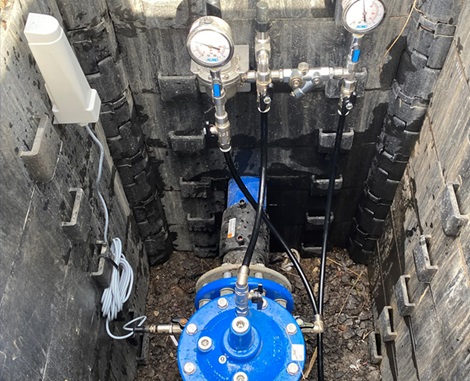
Data can be collected directly from the distribution network via wireless, battery-operated IoT sensors and help detect water loss. With AVK Smart Water sensors you can save resources, optimise planning and operation activities and thereby reduce water loss:
- VIDI Positioner for monitoring valve open/close position in percentages
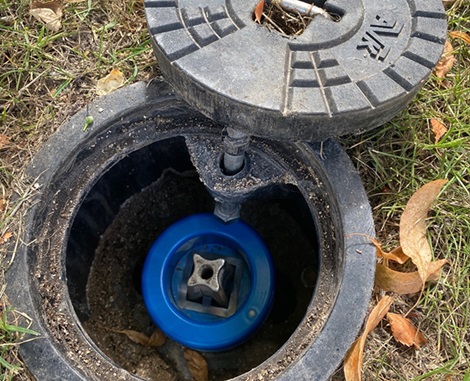
- VIDI Cap for monitoring fire hydrants
- VIDI Pressure for monitoring pressure at DMA inlet and at critical points in the supply network
- VIDI Flow for monitoring the amount of water entering a DMA, which enables reliable water balance calculations
- VIDI Open/Close for indication of valve position: opened, closed or in between
- VIDI Temperature for monitoring water temperature in the supply network
- VIDI Level for measuring distance to the nearest surface for monitoring sand traps and wells
Network safety and pipe repair
Efficient leak repair minimises water loss from pipe cracks and bursts. We offer various repair collars and clamps to secure fast, safe and efficient repair, and even for permanent repair under pressure.
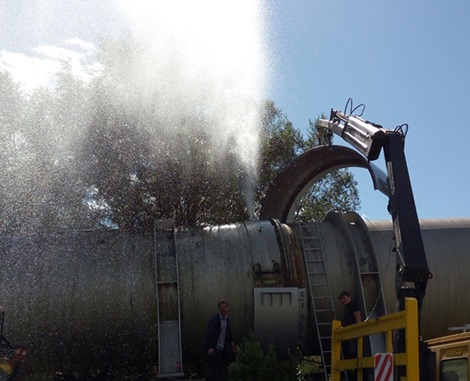
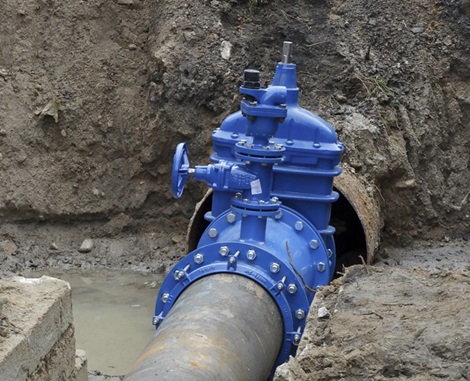
Selecting the right valves will allow water utilities to manage the distribution network efficiently. Preventing water hammer and air in the system will extend the lifespan of the network due to less pipe stress, and thereby also protect against pipeline bursts and water loss. We offer a wide selection of check valves and air valves for network safety:
- Swing check valves, nozzle check valves, silent check valves
- Automatic air valves, air & vacuum valves, combination air valves